
Driving in Andalusia: what nobody tells you before you rent a car
Stays · 19 November 2026
If you are staying anywhere in the countryside around Granada, you will almost certainly end up renting a car. It is the only practical way to combine the Alhambra, the mountains, the coast and the villages in between without spending half the trip waiting for buses. The good news is that driving in Andalusia is far less stressful than its reputation. The motorways are modern and quiet, the signage is clear, and outside the cities traffic is light. The bad news is that the things that actually catch visitors out are rarely mentioned in the rental confirmation email. This is the list we wish every guest read before landing.
Before you book: the small print that costs money
Most unpleasant surprises happen at the rental desk, not on the road, and nearly all of them can be avoided at the moment of booking. The headline daily price is only part of the cost. What matters is the deposit, the insurance excess and the fuel policy, and those are worth reading properly before you pay anything.
- Licence: a UK licence is normally all you need for a holiday. Visitors with a US licence are generally expected to carry an International Driving Permit alongside it. Rules do change, so check the official guidance for your country and what your rental company asks for.
- Credit card: most companies block a deposit on a credit card in the main driver's name, and many will not accept a debit card at all. Turn up without one and you may be pushed into their most expensive insurance, or turned away.
- Insurance excess: the basic cover usually leaves you liable for the first thousand euros or more of any damage. Decide in advance whether to reduce that at the desk or with a separate excess policy bought at home, rather than deciding under pressure in the queue.
- Fuel policy: look for full to full. Policies where you prepay a full tank at their price and return it empty rarely work in your favour on a short trip.
- Automatic gearbox: manual cars are still the default in Spain. If nobody in your group is comfortable with a clutch on a hill, book an automatic early, because they are the first to run out in summer.
- Off-airport companies: the cheapest quotes often come from firms with a desk outside the terminal and a shuttle bus. That is fine if you know it, less fine at midnight with tired children.
Collecting the car: ten minutes that save an argument later
Before you drive away, walk round the car and photograph or film every panel, the wheels and the windscreen, with the rental bay visible in the background. Do the same when you return it, especially if you drop it off out of hours. Check that the car carries the emergency kit the law expects: a reflective vest and, since 2026, the yellow warning beacon that Spain now uses instead of warning triangles. And look twice at the fuel cap. Diesel is gasóleo and petrol is gasolina, and filling a petrol car with diesel is one of the most common and most expensive mistakes visitors make.
The roads themselves: easier than you fear
Spain drives on the right, and if you are coming from the UK the first roundabout will feel strange for about a minute. After that, the main roads around Granada are some of the easiest driving in Europe. From either airport you reach the Lecrín Valley on dual carriageways (autovías) without paying a single toll: about 40 minutes from Granada airport and around an hour and a quarter from Málaga. The tolls you may have heard about in Andalusia are mostly on the coastal motorway west of Málaga, which you have no reason to use on the way here.
A few rules matter more than the rest. Speed limits are typically 120 km/h on motorways, 90 on ordinary roads and 50 in towns, with 30 on many single-lane urban streets, and speed cameras are common and clearly signed. The legal alcohol limit is lower than in the UK, and lower still for drivers who have held their licence for less than two years. Using a phone in your hand while driving is fined, even when you are stopped at a light.
Roundabouts deserve a sentence of their own. Traffic already on the roundabout has priority, and you are expected to leave it from the outside lane. Cutting across from an inner lane to reach your exit is where most visitors get hooted at, and where local police are most likely to stop you.
Granada: the one place you should not drive into
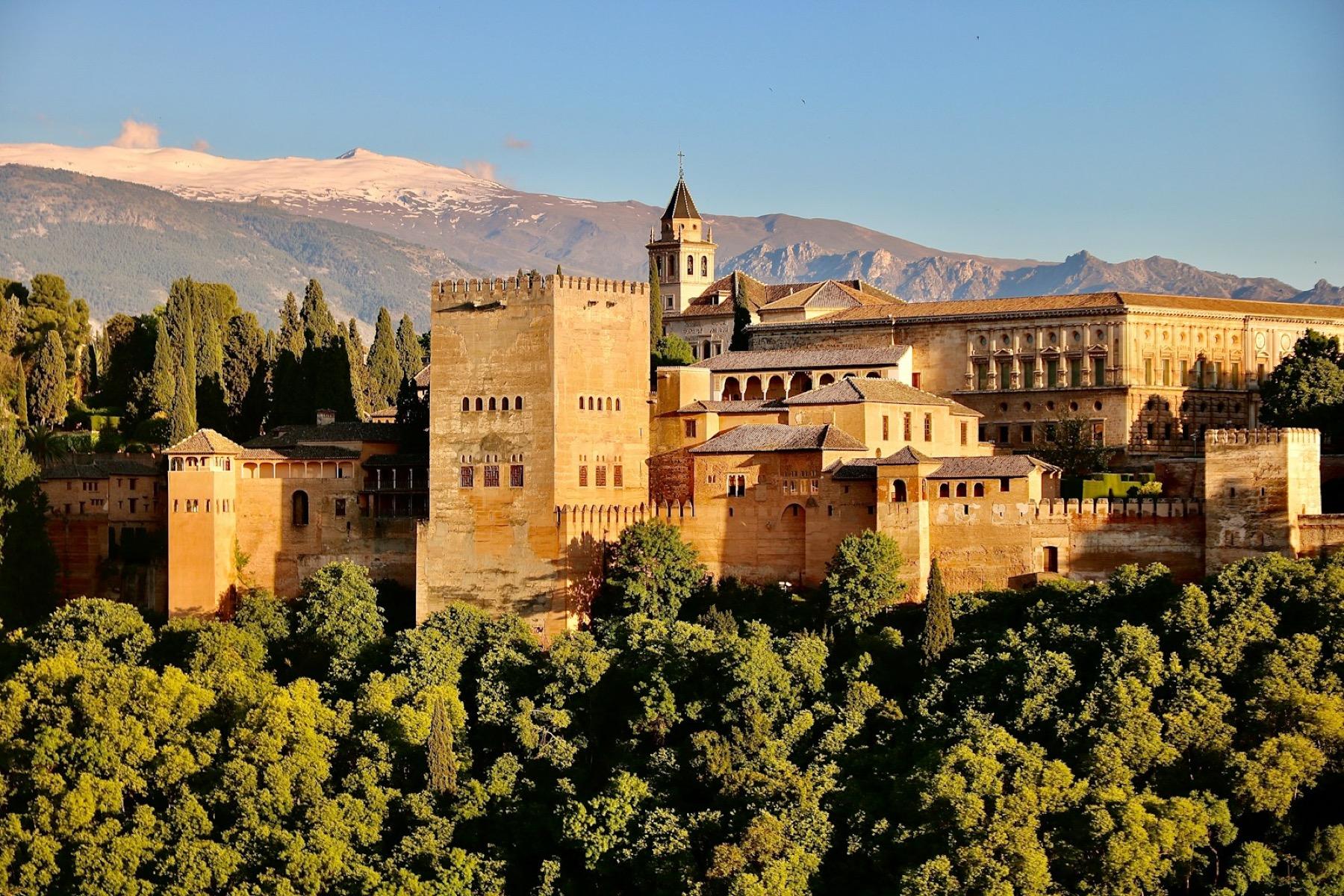
The single most useful piece of advice for anyone visiting Granada by car is this: do not follow your sat nav into the historic centre. Large parts of the old town, including the Albaicín and much of the area around the cathedral, are access-controlled by cameras. Only residents, taxis, buses and guests of hotels inside the zone are allowed through, and the fine arrives weeks later via your rental company, with an administration fee added on top. Granada also has a low-emission zone. Rental cars are almost always recent enough to meet it, but if you are bringing your own car from abroad, check the city's current rules before you set off.
The relaxed approach is to drive to the edge of the centre, leave the car in a public car park and walk, or to use the Alhambra's own car park if the monument is your main reason for going. Our guide to where to stay for the Alhambra explains how your entry time changes whether driving in from the countryside or sleeping in the city makes more sense.
Mountain roads, white villages and the last few kilometres
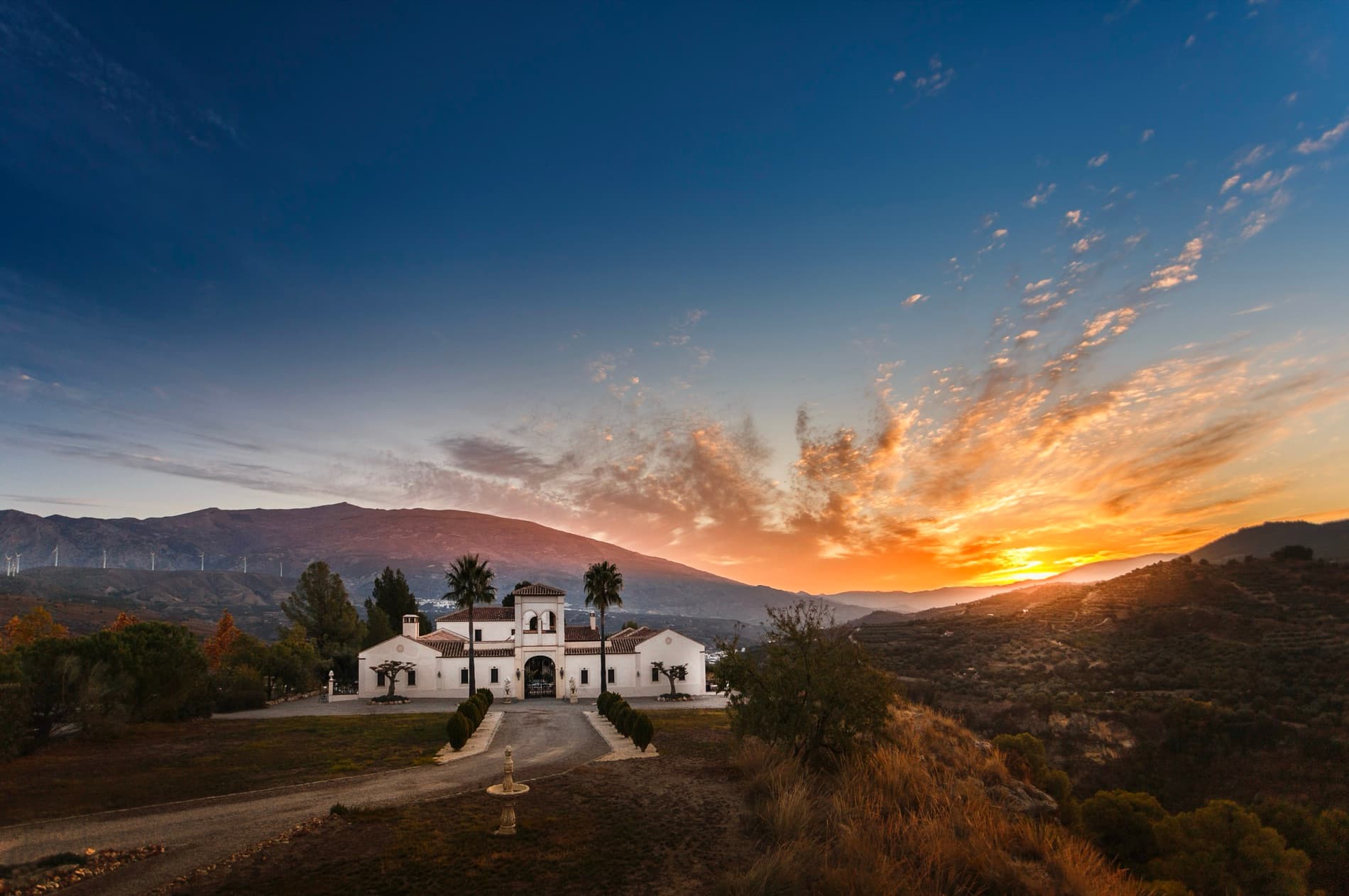
Once you leave the motorway, the character of the driving changes. The roads into the villages of the valley are narrower and more winding, and the villages themselves were built long before cars, so their streets can be tight, steep and occasionally one way in a direction your map does not expect. The rule is simple: if a street looks too narrow, it probably is. Park at the entrance to the village and walk in. Our guide to what to see in the Lecrín Valley suggests villages and viewpoints that are best explored on foot once the car is parked.
The road up to the Sierra Nevada ski area is a proper mountain road. In winter, conditions can change within an hour, and on snowy days the authorities may require chains or winter tyres. Many rental companies do not supply chains and some restrict driving on snow altogether, so read your contract before planning a ski day. If you are visiting in the colder months, our piece on Andalusia in winter covers how to fit snow and coast into the same day without driving mountain roads after dark.
Night driving is the other thing to plan around. Country roads are unlit, and in the valley it gets properly dark. Arrive in daylight on your first evening if you can, so that the last stretch is familiar before you drive it at night.
Parking, fines and the small things that happen
- Blue lines in towns mean pay-and-display, usually with a time limit. Yellow lines mean no parking. White lines or no lines generally mean free.
- If you are stopped and fined, a non-resident driver may be asked to pay on the spot by card. Paying promptly normally reduces the amount.
- Petrol stations are plentiful on the motorways and thinner in the mountains. Fill up before heading somewhere remote rather than counting on the next village.
- Keep nothing visible in a parked car at beaches and popular viewpoints. It is rarely a problem, but it is the easiest way to lose a day to a broken window.
Is it worth it? Yes, with one exception
For a stay in the countryside, a car is not optional extra comfort. It is what turns a beautiful but isolated base into a week in which you can see Granada one day, swim in the sea the next and spend the third doing nothing at all by the pool. The one exception is the evening. Plan your dinners so that nobody has to drive home after a long meal, which is one of the quieter advantages of staying somewhere with a restaurant of its own using produce from the valley.
If you are coming for a wedding, the same advice applies to every group of guests, and our guide for Granada wedding guests explains how to share cars sensibly. And if you are still deciding where to base yourselves, have a look at our rooms at the estate, 35 minutes from both Granada and the Costa Tropical. Write to us with your dates and we will happily tell you which routes and stops make sense for the time of year you are visiting.