
Andalusia in winter: what it is really like, and who it suits
Stays · 16 November 2026
Most people who know Andalusia know it in summer: white villages under a hard sun, crowded terraces, a pool you cannot leave until the evening. Ask anyone who lives here which season they would choose to show a friend around, though, and a surprising number will say winter. The light is clearer, the Alhambra is calmer, the mountains are white and the valleys are full of oranges and lemons. It is not the right season for everyone, and some of what you will read about "sunny Spain in January" is wishful thinking. This is what winter in inland Andalusia actually looks like, from December to February, and how to decide whether it suits your trip.
What the weather really does
The short version: bright days, cold nights. In Granada and the valleys around it, a typical winter day is clear and sunny, cool enough for a jumper in the shade and pleasant enough to have lunch outside in a sheltered spot. Once the sun goes down the temperature drops quickly, and frost on the fields first thing in the morning is normal rather than unusual. Rain tends to arrive in spells of a few days rather than as a constant drizzle, and between those spells you can get a week of blue sky. The coast, 35 minutes south of us, is noticeably milder, which matters more than it sounds when you are planning where to spend each day.
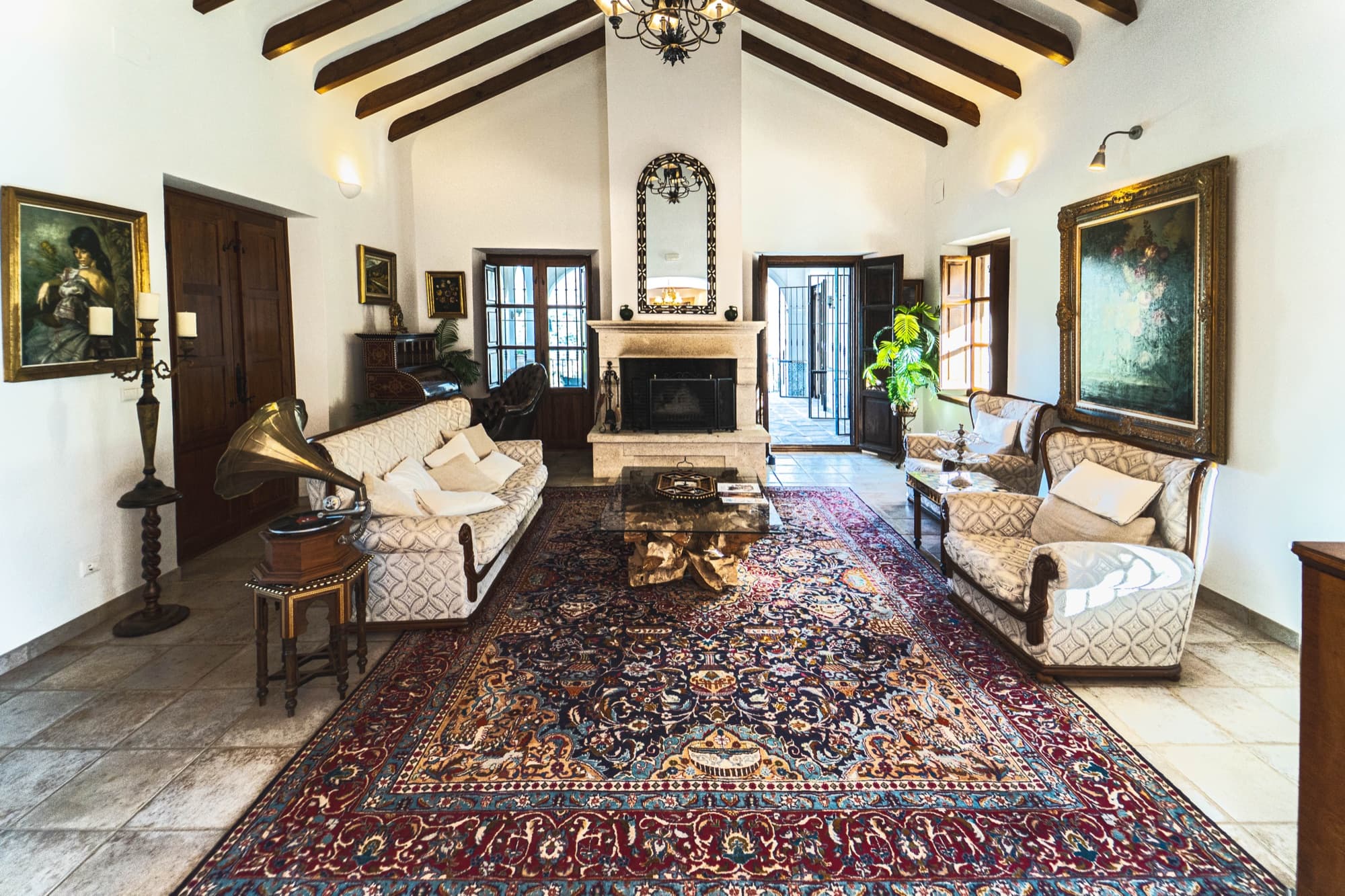
The thing visitors from northern Europe and the United States most often get wrong is indoor temperature. Andalusian houses were built to keep the heat out, with thick walls, tiled floors and high ceilings, and that design that feels wonderful in August feels different in January. Pack proper layers, something warm for the evenings and shoes that cope with a cold stone floor. You will need a coat at night far more often than you will need sun cream at midday.
The Alhambra without the crowds
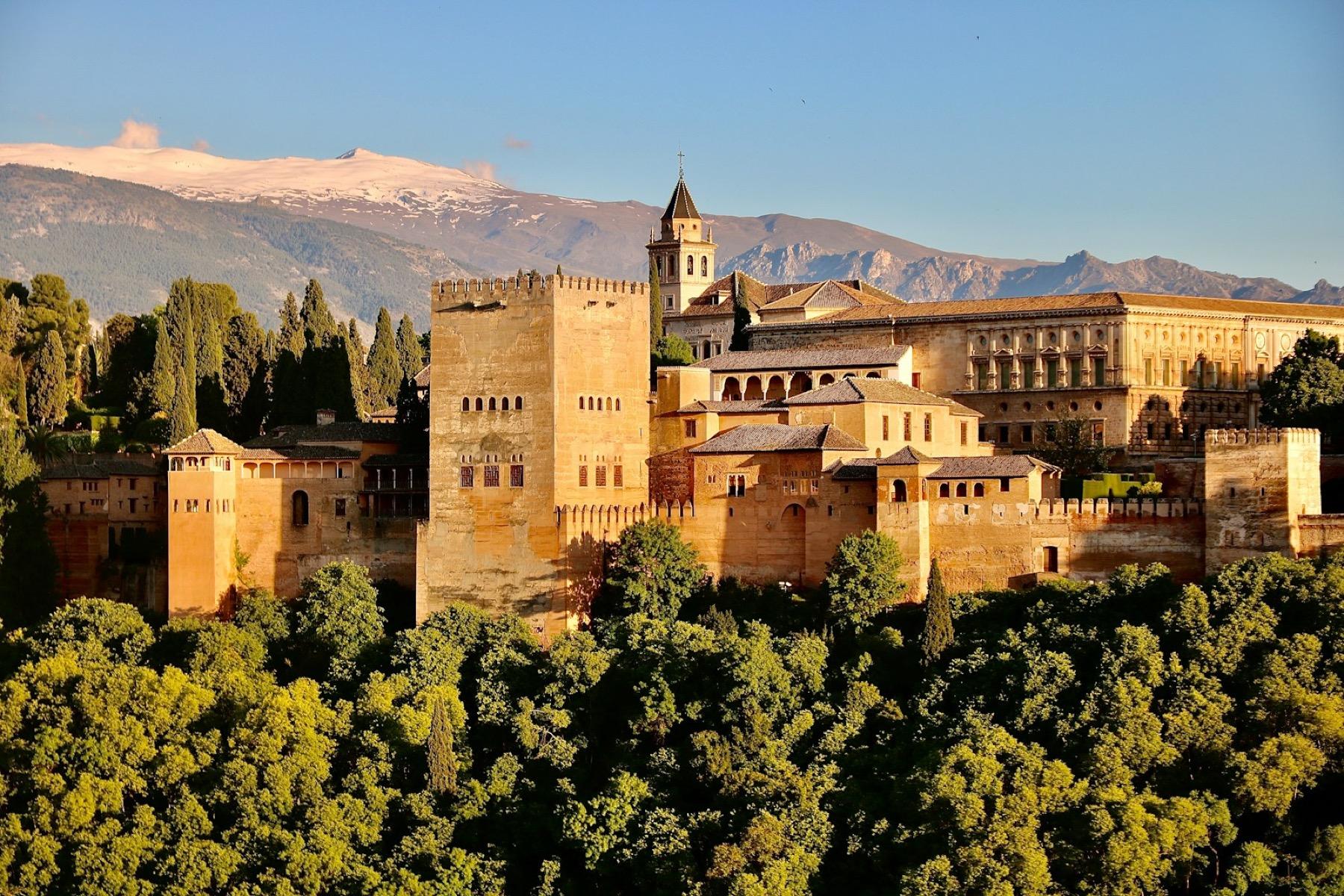
Winter is the season when the Alhambra feels most like a place rather than a queue. Coach groups thin out, the courtyards are quieter, and the low winter sun throws long shadows across the carved plaster in a way summer light never does. On a clear day you see the snow on Sierra Nevada directly behind the towers, which is the view on half the postcards in Granada and is only really there between December and spring. Two cautions. Opening hours are shorter in winter, so check the official ticket site for your dates rather than relying on a guidebook. And the weeks around Christmas, New Year and the 6 January holiday still sell out, so book as early as you would in summer if you are travelling then. Our guide on where to stay for the Alhambra covers how the time slot you get changes where it makes sense to sleep.
Snow and sea in the same day
The detail that surprises people most is geographical. From the Lecrín Valley you are about an hour from the Sierra Nevada ski slopes and 35 minutes from the beaches of the Costa Tropical, which means a morning in the snow and a late lunch by the sea is a perfectly ordinary day out rather than a stunt. The ski season usually runs from around December to April, depending entirely on that year's snowfall, so look at the resort's own snow report before you plan a day around it. If you do not ski, the drive up through the national park is worth doing once for the views alone. If you want to know what the mountain looks like from the valley through the season, our piece on a hotel with Sierra Nevada views goes into when the snow line shows up and the best time of day to see it.
- Morning: up to the slopes or a walk in the lower part of the national park while the air is clear.
- Early afternoon: down to the coast for lunch, when the sun is at its warmest and the seafront restaurants are quiet.
- Late afternoon: back to the valley before dark, which in December comes at around six.
- Evening: dinner close to home, so nobody has to drive mountain roads at night.
The valley in its best-kept season
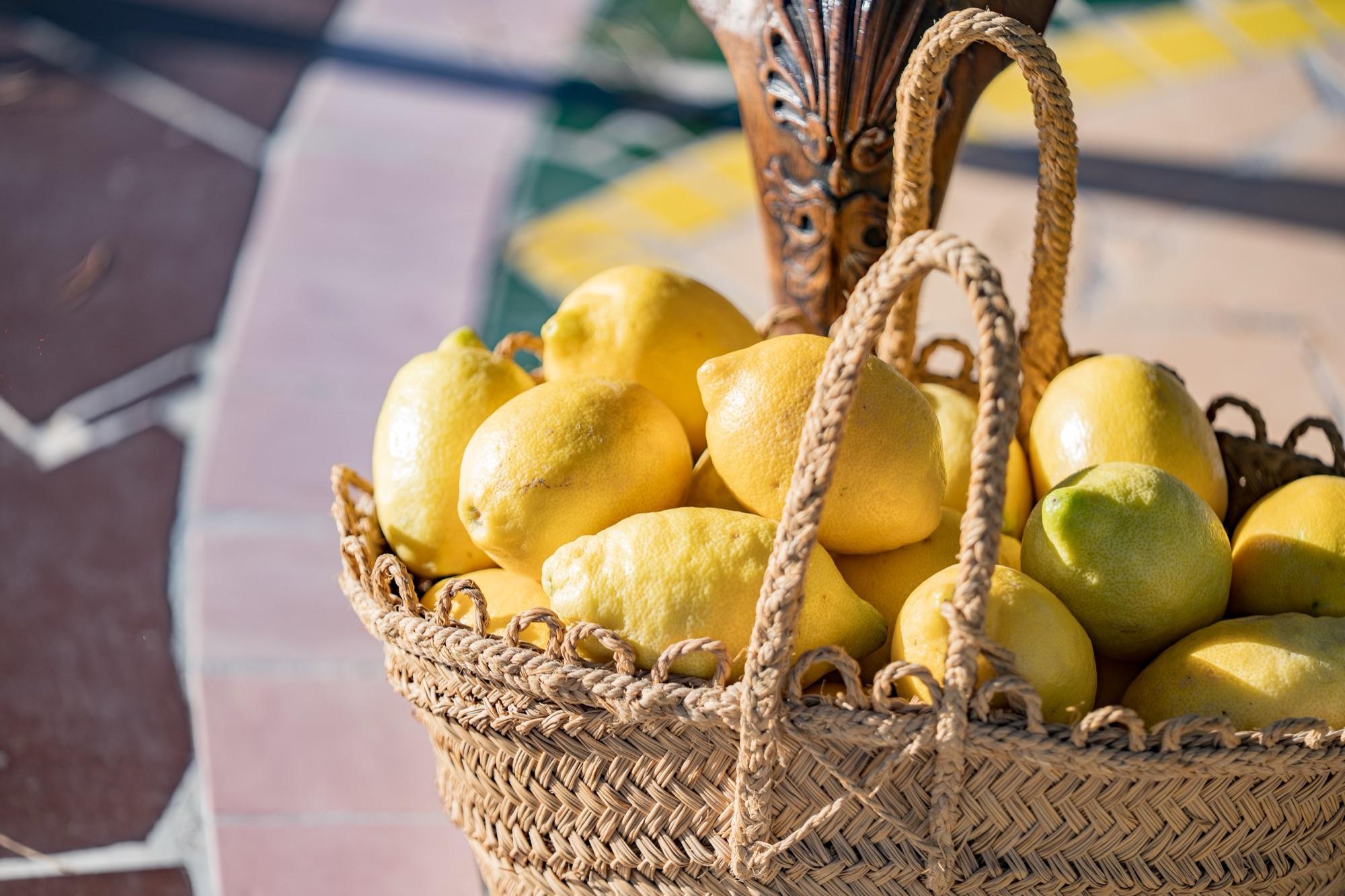
Winter is when the Lecrín Valley does what it is known for in Granada: growing citrus. The oranges and lemons ripen through the colder months, so the trees are full of fruit just when the rest of the landscape has gone quiet, and the smell in the villages on a sunny morning is something summer visitors never get. The olive harvest runs through late autumn and early winter, and by late January or February the almond trees start to flower, covering the hillsides in white and pale pink before anything else has woken up. If you want a route for a day of slow driving and short walks, our guide to what to see in the Lecrín Valley lists the villages and viewpoints worth stopping at.
It shows up on the table as well. Cooking with what the valley produces means a winter menu looks nothing like a summer one: more slow cooking, more pulses and stews, citrus everywhere. Ask the kitchen what is in season the week you come; the answer changes more in winter than people expect.
What winter is not
Being honest about the downsides is the only way to make sure you enjoy the upsides. Winter in inland Andalusia is not a beach holiday: the pool becomes scenery rather than something you swim in, and the sea is for looking at. Days are short, so you will plan around the light rather than ignoring it. Some small restaurants in the villages reduce their hours or close for a few weeks after the holidays, so check before you drive somewhere for dinner. And you need a car; public transport in the valleys is thin in any season and thinner in this one.
- Bring layers, a warm coat for the evenings and shoes for cold floors.
- Book Christmas, New Year and the first week of January early; the rest of winter is much easier.
- Check the Alhambra's winter opening hours and the ski resort's snow report for your exact dates.
- Plan outdoor activities for the middle of the day and keep the evenings for long dinners.
Who winter suits
Winter suits couples who want quiet more than a tan, walkers and cyclists who find the summer heat too much, and anyone who has already seen Andalusia in August and wants to understand what it is like the rest of the year. It suits people who read, eat well and like a long table more than a sun lounger. It also suits couples planning a wedding for the following year: visiting a venue in winter, without the noise of a summer event, gives you an honest sense of the place, the light and the drive from the airports. If that is why you are coming, our wedding venue near Granada with accommodation page explains how exclusive use of the estate works.
La Esperanza is a private estate with seven rooms in the Lecrín Valley, 35 minutes from Granada and the Alhambra and 40 minutes from Granada airport. In winter it is a quiet base for everything above. You can see our rooms and how a stay works, and if you write to us with your dates we will tell you honestly what the weather and the mountains have been doing that week.